Friday, 30 December 2011

study reveals untruths about high fructose corn syrup

Share 1350 

New Study Reveals LIES about High-Fructose Corn Syrup
Does high-fructose corn syrup make you fatter than sugar? See this new study and you decide...
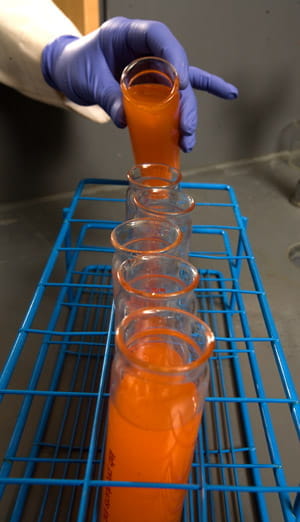
laboratory chemicalsby Mike Geary - Certified Personal Trainer, Certified Nutrition Specialist
Author of best-selling program:
The Truth about Six-Pack Abs


A "Corny" Lie?
Unless you've been under a rock for the last year or two, you've undoubtedly seen the massive media campaign that the Corn Refiners Association (the CRA) has been running on TV commercials, online ads, etc trying to "clean up" the poor public image of high-fructose corn syrup (HFCS).
They have even tried a re-branding campaign trying to change the name to "corn sugar" instead of high-fructose corn syrup.
In addition, the TV commercials try to convince you that HFCS is "no worse than sugar", and even try to imply that it is somehow 'natural', with this phrase:
"It's made from corn, has no artificial ingredients, has the same calories as sugar and is okay to eat in moderation"
REALLY? I'd say that it's a downright LIE to say that HFCS has no artificial ingredients if you've ever seen how HFCS is refined and processed and the chemicals involved in that process. Watch the entertaining documentary King Corn and you'll see the NASTY chemicals involved in refining HFCS!
And let's not forget that HFCS is almost always made from Genetically Modified corn. Not so "natural" anymore huh!
In response to this CRA propaganda campaign to revamp the image of HFCS, Michael Jacobson, executive director of the Center for Science in the Public Interest stated: "High-fructose corn syrup starts out as cornstarch, which is chemically or enzymatically degraded to glucose and some short polymers of glucose. Another enzyme is then used to convert varying fractions of glucose into fructose... High-fructose corn syrup just doesn't exist in nature".
What about the debate: Is High-Fructose Corn Syrup worse for you than sugar?
This seems to have been an ongoing debate for the last couple years, but I personally think it's a stupid debate... In terms of your health and your waistline, they are BOTH pure evil! Over time, with excess consumption of either HFCS or sugar, they can both lead to diabetes, obesity, and other major health problems, including premature aging, and a bulging belly!
However, with that said, I personally avoid HFCS at all costs, but I don't necessarily avoid sugar altogether. I minimize sugar greatly, but I don't avoid it like I avoid HFCS. Have I mentioned that I haven't had a soda pop since I was a teenager... not one! Two things that I try to avoid almost 100% are HFCS and trans fats... because they are easily two of the MOST evil food additives that cause the most damage from a biochemical standpoint internally in your body (keep that in mind when you're about to eat or drink them, and it's easy to say no).
The only HFCS I get is probably the minor amounts that I might get in ketchup at a restaurant (sorry, I'm not giving up my ketchup... but I do get organic ketchup at home, which has no HFCS). But other than ketchup at a restaurant, I stay away from anything and everything with HFCS in it, including store-bought salad dressings which are often laced with high amounts of HFCS. Instead, I make my own healthy lean-body salad dressings at home.
The reason that I avoid HFCS more than I avoid plain sugar is that there is just too much evidence at this point that your body DOES process HFCS differently than sugar... despite the propaganda that the Corn Refiners Association is trying to shove down your throat with their ads.
New Princeton Study reveals that HFCS can stimulate more weight gain than sugar
Leave it to those geniuses at Princeton to give us some good evidence that HFCS can make you fatter than sugar! In a 2010 Princeton University study, researchers found that rats given water sweetened with HFCS gained significantly more weight than those given water sweetened with plain sugar, despite calorie intake being the same between both groups.
Princeton researchers also state: "In addition to causing significant weight gain in lab animals, long-term consumption of high-fructose corn syrup also led to abnormal increases in body fat, especially in the abdomen, and a rise in circulating blood fats called triglycerides".
And what about those claims by the Corn Refiners Association that HFCS is "no worse than sugar"? Well, let's get past the propaganda, and hear what an actual researcher has to say:
According to professor Bart Hoebel, who specializes in the neuroscience of appetite, weight and sugar addiction... "Some people have claimed that high-fructose corn syrup is no different than other sweeteners when it comes to weight gain and obesity, but our results make it clear that this just isn't true, at least under the conditions of our tests. When rats are drinking high-fructose corn syrup at levels well below those in soda pop, they're becoming obese -- every single one, across the board. Even when rats are fed a high-fat diet, you don't see this; they don't all gain extra weight."
Princeton researchers also noted that the HFCS groups in the studies gained significant amounts of visceral fat around the belly. As you might know, visceral fat is more deadly than subcutaneous fat and is a serious health concern as it releases inflammatory molecules into your system.
One reason that HFCS appears to cause more weight gain than plain sugar is that HFCS doesn't trigger a leptin response in the body. This means that it won't signal the body to decrease appetite despite those HFCS calories that were consumed.
Another reason that HFCS affects our bodies differently is this... according to Princeton researchers, although HFCS only has 10% more fructose than table sugar (55% fructose content vs 50% fructose content in sugar), the fructose in HFCS is more sinister... According to Princeton, "as a result of the manufacturing process for high-fructose corn syrup, the fructose molecules in the sweetener are free and unbound, ready for fast absorption and utilization. In contrast, every fructose molecule in sucrose that comes from cane sugar or beet sugar is bound to a corresponding glucose molecule and must go through an extra metabolic step before it can be utilized."
Aha... very interesting!
Well, I hope that's enough evidence for you to simply try to fully avoid HFCS from now on. Again, this doesn't mean eating loads of table sugar is good for you either (that should be obvious), but these studies clearly show that HFCS is at least one step WORSE for you than sugar. And you also know that HFCS contributes to more abdominal fat, so with that said, why in the world would you ever want to touch another soda again!
You also now know that the deceptive advertisments by the Corn Refiners Association have basically been LYING to you with their propaganda that "HFCS is no worse for you than sugar". Yeah, right.
How about some good comedy about HFCS to finish this off...
When I first saw this SNL skit that mocks the Corn Refiners Association ads on TV, I didn't know which direction they were going with it... but if you watch to the end, you'll see where they went with it... hilarious! See what I mean below...


Too funny!
Please share this article with your friends and family to help them avoid the dangers of HFCS (and also to share a good laugh!)


flat belly tips

Other Popular TruthAboutAbs.com Articles:
Do your breads and cereals have these carcinogens?
7 tips to boost your immune system and never get sick again
Are these 3 vitamins actually HARMFUL to your health?

Thursday, 29 December 2011

An exercise you can do while your driving


Here's a unique exercise to help flatten your stomach while driving

by Mike Geary, Certified Nutrition Specialist, Certified Personal Trainer
flat sexy stomachIf you're already a reader of my Truth about Six Pack Abs manual, then you may already know this unique trick... it's basically a simple exercise that you can do anytime, anywhere to help get a flat stomach over time.
Now I will say that this exercise does NOT increase fat burning, but it CAN help to flatten your stomach by strengthening your deeper transversus abdominis muscles and hence "pulling in" a lazy stomach (aka beer belly or "pooch belly").
It involves doing an exercise called "ab vacuums".
I find it a good time to get in the habit of doing daily ab vacuums while driving on your daily commute or another time that would get you in the habit of doing them regularly.
(please make sure this doesn't distract you from driving safely... I find that it doesn't distract me at all...it's certainly much safer than driving while on the cell phone!)
Of course, ab vacuums can be done anywhere and don't have to be just for driving, but I've found that it helps me to remember to do them if I do them at a specific time when driving regularly.... this could be while driving home from the gym every time, or perhaps during your daily commute to work.
Ab vacuums are simple:
You can do ab vacuums pretty much anywhere, at any time.
You can do them standing, seated (such as in a car), kneeling in a four-point position, or even lying flat on the floor.
The movement is as simple as pulling your belly button in as far as you can by imagining you're trying to touch your belly button to your spine and holding for 10-20 seconds at a time.
Start by inhaling deeply. Then, as you exhale, start pulling the belly button in towards the spine and hold it there for 10-20 seconds while just taking short breaths. Repeat for several holds.
Get in the habit of doing this at least 4-5 days per week while driving somewhere and you may find that this helps to flatten your stomach more by strengthening the transversus abdominis muscle (the deep abdominal muscles beneath the rectus abdominis) if you previously had a "lazy belly".
Like I said, this exercise doesn't increase fat burning... it only helps to flatten a round stomach that has lazy deep ab muscles.
If you want a true "six pack abs" appearance, you obviously still need to burn off the body fat that covers your abs... and that calls for a fully encompassing workout program (not just ab exercises), a strategic nutrition program, and the right mindset for success.
cThis idea of "ab vacuums" while driving is just one of the dozens of tips and tricks found inside my Truth about Six Pack Abs manual. If you don't already have a copy, see what other readers are saying about Truth about Abs here
Or if you have questions whether the Truth about Abs program is right for you, go here
If you liked today's idea in this newsletter, feel free to email this link (or post this link to twitter or facebook) to any friends or family that may want to try these "ab vacuums" to get a flatter stomach.

Which salad

Share 6480 

The Salad Dressing You Should NEVER Eat -- and my Alternative Super-Healthy Recipe
by Mike Geary - Certified Personal Trainer, Certified Nutrition Specialist
Author of best-selling program:
The Truth About Six Pack Abs

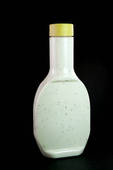
salad dressingIf you want to eat truly healthy, support your fat loss goals, and avoid some of the nasty additives in processed food, one thing you should eliminate is typical store-bought salad dressing.
I personally NEVER buy pre-made salad dressings from the store anymore, and here's why:
1. Almost all store-bought salad dressings contain fairly large amounts of high fructose corn syrup (HFCS). Unless you're in a health food store, it's almost impossible to find a salad dressing that doesn't contain large amounts of HFCS.
2. Almost all store-bought salad dressings contain heavily refined soybean oil and/or refined canola oil... both of which are VERY unhealthy. Yes, that's correct, canola oil IS unhealthy, despite the marketing propaganda you've been fed claiming that it's healthy. You can read more about why canola oil is NOT healthy here.
Due to the refining process of both soybean or canola oils, the polyunsaturated component of the oils is oxidized and makes these oils very inflammatory inside your body. In addition, soybean oil is WAY too high in omega-6 fatty acids which throws your omega-6 to omega-3 balance out of whack.
We know that olive oil is healthier, but when it comes to store-bought dressings... Even salad dressings that claim to be "made with olive oil" on the FRONT label are deceptive, because if you read the ingredients on the BACK label, they are almost ALWAYS made of mostly refined soybean oil or canola oil as the main oil, with only a very small amount of actual olive oil as a secondary oil.
So here's how to avoid all of these horrendously unhealthy store-bought salad dressings and make your own quick and easy SUPER-healthy dressing...
My Quick and Easy Recipe for Super-Healthy Salad Dressing
Geary's Healthy-Fat Blend Balsamic Vinaigrette Dressing
Fill your salad dressing container with these approximate ratios of liquids:
  • 1/3rd of container filled with balsamic vinegar
  • 1/3rd of container filled with apple cider vinegar
  • fill the remaining 1/3rd of container with equal parts of extra virgin olive oil and "Udo's Choice EFA Oil Blend"
  • Add just a small touch (approx 1 or 2 teaspoons) of real maple syrup
  • Add a little bit of onion powder, garlic powder, and black pepper and then shake the container to mix all ingredients well.
This homemade salad dressing mixture is delicious and healthy, and I pretty much never get tired of it!
The reason I choose to blend the extra virgin olive oil half & half with the Udo's Choice Oil is that they make up for what each lacks... Although extra virgin olive oil is healthy and contains important antioxidants, it is mostly monounsaturated, and is low in the essential fatty acids (EFAs). The Udo's Choice Oil is higher in unrefined polyunsaturated oils with a good healthy balance of omega-3 to omega-6 fatty acids.
There are several variations of the Udo's Choice Oil, and one of them (labeled DHA 3-6-9 Blend) even contains a DHA algae oil blended into the mix along with organic flax oil, coconut oil, evening primrose oil, rice bran oil, oat germ and bran oil, and a few others.
Overall, blending Udo's Oil with extra virgin olive oil makes nearly a perfect oil blend for salad dressings with a great taste and maximum health benefits. If you can't find Udo's Choice Oil Blends (you can find Udo's at almost any health food store), there are other EFA oil blends on the market...just make sure that they are COLD-processed to protect the EFAs. You should never heat an EFA oil blend!
Give this homemade super-healthy salad dressing a try! You'll do your body a favor by avoiding the harmful additives in store-bought salad dressings.
Enjoy!
Share 43K

Are Whole Eggs or Egg Whites Better for You?
by Mike Geary, Certified Nutrition Specialist, Certified Personal Trainer
Author -
The Truth About 6-Pack Abs


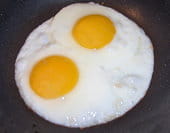
whole eggs are a perfect foodI was on a weekend trip with some friends recently and one of my friends was cooking breakfast for the whole group. I went over to see what he was cooking and saw he was getting ready to make a big batch of eggs.
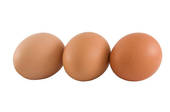
Well, to my shock and horror, I noticed that he was cracking the eggs open and screening the egg whites into a bowl and throwing out the egg yolks. I asked him why the heck he was throwing out the egg yolks, and he replied something like this...
"because I thought the egg yolks were terrible for you...that's where all the nasty fat and cholesterol is".
And I replied, "you mean that's where all of the nutrition is!"
This is a perfect example of how confused most people are about nutrition. In a world full of misinformation about nutrition, somehow most people now mistakenly think that the egg yolk is the worst part of the egg, when in fact, the YOLK IS THE HEALTHIEST PART OF THE EGG!
By throwing out the yolk and only eating egg whites, you're essentially throwing out the most nutrient dense, antioxidant-rich, vitamin and mineral loaded portion of the egg. The yolks contain so many B-vitamins, trace minerals, vitamin A, folate, choline, lutein, and other powerful nutrients... it's not even worth trying to list them all.
In fact, the egg whites are almost devoid of nutrition compared to the yolks.
Even the protein in egg whites isn't as powerful without the yolks to balance out the amino acid profile and make the protein more bio-available. Not to even mention that the egg yolks from free range chickens are loaded with healthy omega-3 fatty acids.
Yolks contain more than 90% of the calcium, iron, phosphorus, zinc, thiamin, B6, folate, and B12, and panthothenic acid of the egg. In addition, the yolks contain ALL of the fat soluble vitamins A, D, E, and K in the egg, as well as ALL of the essential fatty acids (EFAs).
And now the common objection I get all the time when I say that the yolks are the most nutritious part of the egg...
"But I heard that whole eggs will skyrocket my cholesterol through the roof"
No, this is FALSE!
First of all, when you eat a food that contains a high amount of dietary cholesterol such as eggs, your body down-regulates it's internal production of cholesterol to balance things out.
On the other hand, if you don't eat enough cholesterol, your body simply produces more since cholesterol has dozens of important vital functions in the body.
healthy whole eggsAnd here's where it gets even more interesting...
There have been plenty of studies lately that indicate that eating whole eggs actually raises your good HDL cholesterol to a higher degree than LDL cholesterol, thereby improving your overall cholesterol ratio and blood chemistry.
And 3rd... high cholesterol is NOT a disease! Heart disease is a disease...but high cholesterol is NOT. Cholesterol is actually a VERY important substance in your body and has vitally important functions... it is DEAD WRONG to try to "lower your cholesterol" just because of pharmaceutical companies propaganda that everyone on the planet should be on statin drugs.
If you're interested in this topic of cholesterol specifically, I have another article listed at the bottom of this page about why trying to attack cholesterol is a mistake, and what the REAL deadly risk factors actually are.
In addition, the yolks contain the antioxidant lutein as well as other antioxidants which can help protect you from inflammation within your body (the REAL culprit in heart disease, not dietary cholesterol!), giving yet another reason why the yolks are actually GOOD for you, and not detrimental.
To help bring even more proof that whole eggs are better for you than egg whites, I recently read a University of Connecticut study that showed that a group of men in the study that ate 3 eggs per day for 12 weeks while on a reduced carb, higher fat diet increased their HDL good cholesterol by 20%, while their LDL bad cholesterol stayed the same during the study. However, the group that ate egg substitutes (egg whites) saw no change in either and did not see the improvement in good cholesterol (remember that higher HDL levels are associated with lower risk of heart disease) that the whole egg eaters did.
So I hope we've established that whole eggs are not some evil food that will wreck your body... instead whole eggs are FAR superior to egg whites.
But what about the extra calories in the yolks?
This is actually a non-issue and here's why... even though egg yolks contain more calories than just eating the egg whites, the yolks have such a high micro-nutrient density in those calories, that it increases your overall nutrient density per calorie you consume. Essentially, what this does is help to regulate your appetite for the remainder of the day, so you end up eating less calories overall. In addition, the healthy fats in the egg yolks help to maintain a good level of fat-burning hormones in your body.
Overall, this means that the extra fats (healthy fats) and calories from the yolk are so nutrient-dense that they actually HELP you to burn off body fat!
Also, your normal supermarket eggs coming from mass factory farming just don't compare nutritionally with organic free range eggs from healthy chickens that are allowed to roam freely and eat a more natural diet. Your typical cheap grocery store eggs will have lower nutrient levels and a higher omega-6 level and lower omega-3 level. On the other hand, the cage-free organic eggs from healthier chickens allowed to eat more natural feed and roam freely will have much higher vitamin and mineral levels and a more balanced healthier omega-3 to omega-6 fatty acid ratio.
I recently compared eggs I bought at the grocery store with a batch of eggs I got at a farm stand where the chickens were free roaming and healthy.
Most people don't realize that there's a major difference because they've never bought real eggs from healthy chickens... The eggs from the grocery store had pale yellow yolks and thin weak shells. On the other hand, the healthier free range eggs from the local farm had strong thick shells and deep orange colored yolks indicating much higher nutrition levels and carotenoids... and just a healthier egg in general.
This is due to the fact that a free-roaming hen allowed to roam on plenty of land will eat a variety of greens, insects, worms, etc transferring MUCH higher levels of nutrients to the eggs compared to an unhealthy hen that is trapped inside a dark factory farm hen house in horrible conditions and fed nothing but piles of corn and soy. It's a DRASTIC difference in the nutrition that you get from the egg.
So next time a health or fitness professional tells you that egg whites are superior (because of their "fat-phobic" mentality towards dietary fats), you can quietly ignore their advice knowing that you now understand the REAL deal about egg yolks.
And can we all please STOP with this sillyness about eating an omelete with 4-5 egg whites and only 1 egg yolk... If you want real taste and real health benefits, we'd all be better off eating ALL of our eggs with the yolks.
After all, do you REALLY think that our ancestors thousands of years ago threw out the yolks and only ate the egg whites? NOT A CHANCE! They intuitively knew that all of the nutrition was found in the yolks. But our modern society has been brainwashed with misinformation about fats and cholesterol.
Another interesting study about eggs...
I read a study recently that compared groups of people that ate egg breakfasts vs groups of people that ate cereal or bagel-based breakfasts. The results of the study showed that the egg eaters lost or maintained a healthier bodyweight, while the cereal/bagel eaters gained weight.
It was hypothesized that the egg eaters actually ate less calories during the remainder of the day because their appetite was more satisfied compared to the cereal/bagel eaters who would have been more prone to wild blood sugar swings and food cravings.
Oh, one last thing I almost forgot... I personally eat 4 whole eggs almost every day with breakfast, and I maintain single-digit bodyfat most of the year.
Enjoy your eggs and get a leaner body!

Do energy drinks make you put on weight ?


The Energy Drink Scam -- Do Energy Drinks Help You, or Can They Actually Make You Fat?
by Mike Geary, Certified Personal Trainer, Certified Nutrition Specialist
Author - The Truth About Six Pack Abs


Today I have a little rant on energy drinks...

I receive a ton of questions about all of these new "energy" drinks that have hit the market over the last few years. They seem to be all the rage, and they promise you the world with outrageous claims of all of the super energy that you are going to have, and how you'll become the best athlete in the world, start lifting cars over your head, and get a perfect body.
So a couple questions arise:
Are these "energy" drinks really any good for you?
Do they actually increase your energy?
Do they really have some sort of magical energy formula?
Will they help you lose weight?

First of all, let's look at what most of these energy drinks are usually made of. Most of them are simply carbonated water loaded with gut-fattening high fructose corn syrup (or other added sugars), caffeine, the amino acid taurine, and some crappy artificially-derived vitamins added for show to trick you into thinking there's something healthy about these concoctions.
Let's start with the high fructose corn syrup (HFCS). Well, here we've got empty calories that will go straight to your belly fat, and that are possibly even WORSE for you than plain old refined sugar (although that's up for debate, but semantics in the big picture). Some energy drinks use other added sugars instead of HFCS, but it doesn't really matter, because they are all gut-fattening empty calories with no nutritional benefit.
Ok, so you say that they also have low-sugar or sugar-free varieties as an alternative to the HFCS-laden energy drinks. Yes, but now you have the problem of the harmful chemicals in the artificial sweeteners which have their own set of health dangers.
Another problem with artificial sweeteners is that there are some research studies that indicate artificial sweetener use leads people to inadvertently consume more calories and gain more weight in the long run... in addition to having a negative hormonal effect in the body. I won't go into all of the details on that topic because that would fill up an entire discussion by itself.
Just trust me that artificial sweeteners and artificial chemicals in food in general, are ALL bad news for your body! It's never a good idea to try to "trick" your body with artificial tastes.
What about the caffeine?
Well, first of all, caffeine doesn't in itself provide "energy". Technically, the only substance that actually provides energy is calories (from carbs, protein, and fat).
However, caffeine can be an aid for livening or waking some people up, by means of stimulating the central nervous system.
Instead of caffeine artificially added to some carbonated "energy" drink, I'd rather get my caffeine from a natural source like green, white, or oolong teas (or my new favorite - yerba mate teas), which actually provide very powerful healthy antioxidants too!
Keep in mind though, if you're a regular daily coffee drinker, you probably have some level of addiction to caffeine and probably wouldn't receive too much benefit from the caffeine in an energy drink anyway.
Tip: try to drink more tea and reduce your coffee intake to only a couple days per week max to reduce your dependency on caffeine. Most teas contain much less caffeine than coffee, and some teas (such as green, white, and oolong) contain synergistic phytochemicals that work to slow the response of the caffeine that they do contain. This means you get a milder response from the caffeine in green, oolong, or white teas compared to the harsher jittery response that some people get from coffee.
Now what about that so called magical blend of taurine and B-vitamins that they load into these energy drinks?
Well, big deal...you get taurine in almost any protein source. And the vast majority of those artificially added B-vitamins are simply coming right out into the toilet in your pee. Vitamins are best obtained naturally from a REAL food source, not artificially added to some carbonated drink. Your body just doesn't use fake sources of vitamins as readily as natural sources from real food.
So as you can see, in my opinion, I give all of these energy drinks a big time THUMBS DOWN! Don't fall for the ridiculous marketing of all of these so-called "energy drinks".
Instead, here's my recipe for my own home-made energy drink:
1. Make a big iced tea mixture using green tea, white tea, and yerba mate tea. I like to add a little fruit flavor, so I'll use 1 tea bag of a raspberry or blueberry hibiscus tea, and then use 2-3 green and/or white tea bags, and 2-3 yerba mate tea bags, and make a gallon container of iced tea. I just use a small amount of stevia to lightly sweeten the batch of tea.
2. I buy a container of organic coconut water from a health food store, or buy fresh coconuts to obtain the coconut water from the inside.
3. For my healthy energy drink, I mix a half of a glass of the white/green/yerba mate iced tea mixture and fill the rest of the glass with the coconut water.
This is actually a delicious and truly healthy energy drink instead of the chemical-laden crappy energy drinks that everybody is getting suckered into buying these days.
The green, white, and yerba mate teas contain a small dose of caffeine along with a diverse mixture of powerful antioxidants and synergistic phytochemicals. Plus, the coconut water is a rich source of electrolytes and a diversity of vitamins and minerals. Coconut water is known to provide a good instant energy source, and also contains a small dose of medium chain triglycerides (MCTs), which are healthy fats that are readily used for energy and also aid your immune system.
So enjoy this natural healthy energy drink, knowing that you're doing your body good instead of filling it with chemicals with normal store-bought energy drinks.
As usual, feel free to email this link to your friends and family or share it on your blogs, forums, or facebook pages to help your friends live healthier.
If you liked this article, please feel free to share with your friends:

Foods that you should not be eating

Share 20K 

3 So-Called "Healthy" Foods that You Should STOP Eating (if you want a lean healthy body)
by Mike Geary, Certified Personal Trainer, Certified Nutrition Specialist
Author of the best-seller:
The Truth About Six Pack Abs

I was reading a statistic in a nutrition book recently, and this is going to shock you...
Now before I tell you the statistic, let's keep an important fact in mind... according to well renowned nutrition author Michael Pollan, and his amazing book called In Defense of Food, humankind has historically consumed approximately 80,000 different species of edible plants, animals, and fungi, and approximately 3,000 of those have been widespread foods of the human diet.
Now get ready for a shocking and appalling statistic...
Currently, the average adult eating a typical modern western diet in countries such as the US, Canada, Australia, etc consumes approximately 67% of their total caloric intake from only 3 foods -- CORN, SOY, AND WHEAT (and their derivatives).
What would be considered a reasonably healthy amount of corn, soy, and wheat in the human diet? Based on 10's of thousands of years of human history, and what the natural diet of our ancestors was (indicating what our digestive systems are still programmed to process), this would probably be in the range of about 1% to 5% MAX of our total calories from corn, soy, and wheat.
Considering that modern humans are eating 67% of their total calories from corn, soy, wheat... you can see why we have massive problems in our health, and our weight!
It's not a surprise that we have so many intolerances and allergies, specifically to soy and wheat (and gluten intolerance)... the human digestive system was simply never meant to consume these substances in such MASSIVE quantities.
Keep in mind that these massively high levels of corn, soy, and wheat in our modern human diet is a relatively new phenomenon that originated from the economics of the multi-billion dollar corn, soy, and wheat industries. It really HAS been all about the money... NOT about our health!
By "derivatives" of corn, soy, and wheat, this means the food additives such as:
  • high fructose corn syrup (HFCS)
  • corn oil
  • soybean oil (hydrogenated or plain refined)
  • soy protein
  • refined wheat flour
  • hundreds of other food additives such as maltodextrin, corn or wheat starch, soy lecithin, mono and diglycerides, etc, etc
This doesn't surprise me... consider how much soda or other sweetened drinks (with loads of HFCS) that the average person drinks daily... this is a LOT of calories from just 1 sole corn derivative. Even marinades, salad dressings, ketchup, breads, and 100's of other foods contain loads of belly-fattening HFCS!
Also think about how many processed foods we have that are either fried in soybean or corn oil... and even if the foods are not fried in these oils, these oils are additives to almost every processed food... chips, candies, cakes, salad dressings, tomato sauces, burrito wraps, corn chips, breaded chicken, etc, etc. This is a LOT of calories from these 2 other corn and soy derivatives... both of them EXTREMELY UNHEALTHY!
On top of that, think about how much breads, cereals, pastas, muffins, and other highly processed wheat products that most people consume each day. Again, this is LOADS of unhealthy, blood-sugar spiking, nutrient-poor calories, that more than half of the population has some degree of intolerance to anyway.
It gets even worse!
Not only are we eating 67% of our total calories from corn, soy, and wheat... but because of the economics involved (specifically with cheap corn and soy) we are also feeding most of our farm animals corn and soy now too... again amplifying the amount of corn and soy that passes through the food chain and (from a biochemical standpoint) ends up in our bodies.
Probably the 2 worst examples of this blatant mismanagement of our food supply is how our factory farmed chickens and cows are fed.
Cows are fed mostly corn in factory feedlot farms, even though their digestive systems are only meant to eat grass and other forage. This makes the cows sick (hmm... E-coli anyone?), alters the omega-6 to omega-3 ratio of the fats to unhealthy levels, and also diminishes the healthy CLA fats that would occur naturally in grass-fed beef. All of these problems go away if our cows are fed what they were made to eat naturally - grass!
Our chickens are also fed a diet of mostly corn and soy and crowded in tight pens in horrendous conditions... when the fact is that a chicken was meant to roam around the outdoors eating a mixture of greens, insects, worms, seeds, etc. When chickens are kept inside in tight quarters and fed only grains, it leads to an unhealthy meat for you to eat, and less healthy eggs compared to free-roaming chickens allowed to eat an outdoors diet.
Our food supply has gotten so screwed up that we're even feeding our salmon and other farmed fish corn and soy...again because of the economics involved. How ludicrous is this, considering that fish are meant to eat a diverse diet of smaller fish, worms, bugs, etc. Again this makes farm raised fish unhealthy in terms of nutrition compared to the wild counterparts. If you want to see something even scarier about farm-raised fish, watch this quick video about the toxic fish you might be buying.
So even when you're eating chicken, beef, and fish, you're still essentially getting even MORE corn and soy into your body...considering that the cows, chickens, and farmed fish ate mostly soy and corn.
So it's actually WORSE than just 67% isn't it!
Why is it so unhealthy to consume 2/3rds of our calories from corn, soy, and wheat?
Well, this section could encompass an entire book, so to keep this short, I'll just throw out a few random reasons...
  • Skews the ratio of omega-6 to omega-3 fats in our diet to as high as 30:1, when a ratio of 1:1 to 2:1 is considered healthy.
  • Problems with gluten intolerance (related to heavy wheat consumption)
  • Problems with weight gain, blood-sugar swings, and reduced insulin sensitivity (and progression of diabetes) due to excessive refined corn and wheat flours, as well as HFCS in our diet
  • Soy and corn are the most genetically modified crops (which also allows more pesticides and herbicides to be used, which are usually "xenoestrogens")
  • Many of the pesticide and herbicide residues in these crops are xenoestrogens, which can increase "stubborn" belly fat
  • Soy products and derivatives contain a double-whammy of xenoestrogens as well as phytoestrogens... again creating an environment in your body for fat storage, carcinogenic effects, and even "man boobs" for some men in very severe cases
  • The feeding of corn and soy to animals reduces the health and nutritional benefits of those animal products
  • and the list could go on and on and on...
So how do you avoid all of this overwhelming amount of corn, soy, and wheat in our food supply, and finally take control of your weight and your health?
1. Don't purchase processed foods! It all starts with your grocery cart discipline... choose only 1-ingredient foods such as fruits, veggies, beans, eggs (free roaming), nuts, seeds, and meats from grass-fed or free roaming animals that are raised correctly. Only resort to junk foods or processed foods on a 1-day per week "cheat day" but ONLY when dining out... that way, the processed foods aren't in your house to tempt you.
2. Get most of your carbs from fruits and veggies instead of grains.
3. Avoid store bought salad dressings as they almost always contain soybean oil and HFCS (instead, try my homemade healthy salad dressing)
4. Make sure that your tomato sauces don't have HFCS and soybean oils... look for sauces made with olive oil instead. Remember to avoid unhealthy canola oils too!
5. If you like guacamole (one of the healthiest snacks on the planet!), try veggie sticks with guacamole instead of genetically-modified, oil-soaked corn chips
6. If you like hummus, try veggies sticks with hummus instead of pita chips or other bread.
7. Reduce your cereal, bread, and pasta intake by having these foods only on "cheat days" and stick to more of the 1-ingredient foods I mentioned in #1 above. Try some of these healthy snacks as good alternatives (yes, I know that one of the 13 snacks on there has sprouted grain, which is fine on occasion).
I could go on with more examples, but I think that's good for now.
So with all of this said... Is my diet perfect? Well, no of course not! Nobody is perfect, and I can give in to temptation on occasion just like anybody else.
However, I'd estimate that my corn/soy/wheat consumption is only about 2-4% of my total caloric intake compared to 67% for the average person. The way that I achieve this is to simply not bring any corn, soy, or wheat products into my house, so I'm never tempted by it. Therefore, at least 6 days/week, I eat virtually no corn/soy/wheat, except for the occasional piece of sprouted grain toast a couple times a week (which is a better option than typical "whole grain" bread).
I do, however, give in and sometimes eat breads, pasta, and even corn chips, etc. when I'm dining out. I see these as my cheat meals and try to do this no more than once per week. I still completely eliminate sodas and deep fried foods though...they are just TOO evil!
Please share this article with your friends and family on email, Facebook, Twitter, blogs, forums, etc... this is one of the MAJOR reasons that we are so unhealthy and overweight as a society... 67% of our calories from just 3 foods (and their derivatives) is an appalling statistic! Don't give in to the marketing machine that is the corn, soy, and wheat industries! Take control of your OWN health instead of letting big corporations take control of your health.
If you liked this article, please Share it with your friends:


5 Foods that FIGHT Abdominal Fat